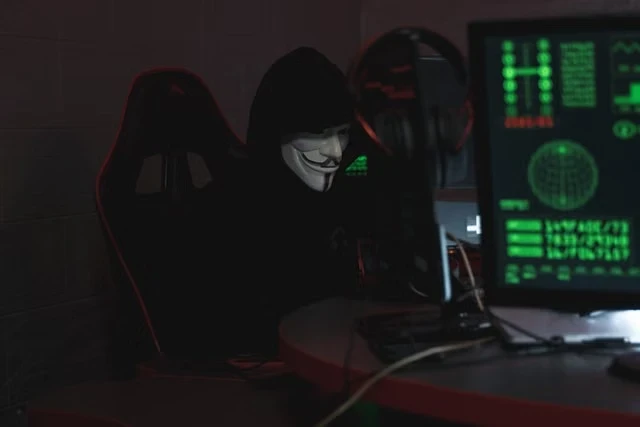
The National Testing Agency's latest tender documents reveal a sweeping expansion of biometric and surveillance infrastructure for NEET and other entrance examinations. Face authentication, physical frisking, CCTV monitoring, and comprehensive exam-surveillance services now form the backbone of India's most consequential testing ecosystem.
This is not a minor administrative tweak; it is a fundamental restructuring of how the nation's gatekeepers verify identity and police conduct during high-stakes assessments.
For millions of aspirants, this technological leap carries profound implications that extend far beyond the examination hall. The promise of airtight malpractice prevention collides with legitimate concerns about biometric data security, algorithmic bias, and the digital exclusion of rural candidates who may lack the infrastructure or familiarity to navigate these systems. The tension between integrity and accessibility has never been more acute.
On This Page
- The Surveillance Architecture Behind India's Largest Examinations
- Privacy Calculus: What Candidates Surrender and What They Gain
- Balancing Integrity and Access: Policy Recommendations
- Technology Alternatives and Proportional Responses
- Data Governance Framework for Examination Biometrics
- Rural Access and Digital Inclusion Strategies
- Accountability and Public Trust Restoration
- NTA Surveillance Components and Privacy Implications
- Global Examination Surveillance Comparison
- Candidate Privacy Risk Assessment
- Policy Recommendations for Balanced Surveillance
- Data Protection Framework Elements
This analysis dissects the NTA's surveillance architecture, examines the privacy calculus embedded in face authentication, and evaluates whether these measures genuinely serve the candidates they purport to protect. The stakes are enormous: nearly 24 lakh students appear for NEET-UG annually, and every one of them now enters a monitored environment that collects, stores, and processes their most intimate biological identifiers.
TL;DR The NTA's deployment of face authentication, frisking, and CCTV surveillance for NEET represents a paradigm shift in examination security. While these measures aim to curb rampant malpractice, they introduce serious privacy vulnerabilities, potential algorithmic discrimination, and accessibility barriers for rural candidates. The agency's tender documents reveal a comprehensive monitoring ecosystem that collects biometric data at unprecedented scale, yet lacks transparent data protection protocols. Balancing exam integrity with candidate rights requires urgent policy intervention, independent oversight, and robust data governance frameworks.
The Surveillance Architecture Behind India's Largest Examinations
The NTA's tender specifications outline a multi-layered security apparatus that begins before candidates even enter the examination center. Face authentication systems will verify identity against registered photographs, while physical frisking procedures complement the digital checks. CCTV networks will blanket examination halls, corridors, and waiting areas with continuous recording capabilities.
This infrastructure represents a significant escalation from previous years when basic document verification and manual invigilation sufficed. The agency's move toward automated biometric verification signals a broader trend across Indian public institutions, where technology increasingly mediates trust and identity verification. The scale of deployment is staggering, covering hundreds of cities and thousands of examination centers simultaneously.
Exam-monitoring services extend beyond simple video capture. The tenders reference real-time analytics, suspicious behavior detection, and centralized command centers that can intervene during live examinations. This creates a surveillance grid that operates with military precision, tracking candidate movements, facial expressions, and even physiological indicators that might suggest malpractice intent.
Face Authentication: The Biometric Gatekeeper
Face authentication technology compares live captures against pre-registered photographs using sophisticated algorithms that map facial geometry. The NTA's specifications demand high-accuracy matching with rapid processing times, ensuring candidates face minimal delays during entry. However, the technology's effectiveness depends heavily on image quality, lighting conditions, and the algorithm's training data.
Research indicates that facial recognition systems exhibit measurable accuracy disparities across demographic groups. Studies from the National Institute of Standards and Technology have documented higher false rejection rates for darker-skinned individuals and women. For NEET candidates, a false rejection could mean denial of entry, missed examinations, and a wasted year of preparation.
The tender documents do not specify which facial recognition vendor will supply the technology, nor do they outline testing protocols for demographic bias. This opacity is concerning given the technology's documented failure modes. Candidates from rural areas, where lighting conditions and camera quality may be suboptimal, face elevated risks of authentication failure.
Biometric data collection raises fundamental questions about consent and data sovereignty. Candidates are effectively compelled to surrender facial biometrics as a condition of examination participation. There is no opt-out provision, no alternative verification pathway, and no clear articulation of how this data will be stored, protected, or eventually destroyed.
CCTV Coverage: Watching Every Movement
The CCTV component of the NTA's surveillance package extends far beyond simple recording. Tender specifications reference high-definition cameras with night vision capabilities, pan-tilt-zoom functionality, and integration with centralized monitoring software. Examination centers will be equipped with redundant camera systems to eliminate blind spots.
Continuous video recording creates a permanent digital record of every candidate's examination experience. This data can be retained indefinitely, subject to government data retention policies that often lack clear sunset clauses. The potential for mission creep is substantial, with surveillance infrastructure originally deployed for examinations potentially repurposed for other monitoring activities.
Privacy advocates have raised concerns about the chilling effect of pervasive surveillance on candidate behavior. Students may alter their natural test-taking behaviors, such as looking around the room or stretching, for fear of being flagged as suspicious. This psychological pressure could disadvantage candidates who are already anxious about high-stakes examinations.
The command center concept introduces real-time human oversight of examination activities. Trained monitors will watch multiple camera feeds simultaneously, looking for behavioral anomalies that might indicate cheating. This creates a subjective element in malpractice detection, where individual monitors' interpretations of "suspicious behavior" may vary significantly.
Frisking Procedures: Physical Security Meets Dignity Concerns
Physical frisking represents the most traditional element of the NTA's security apparatus, yet its implementation raises distinct concerns. The tender documents specify thorough searches designed to detect concealed electronic devices, written materials, and other prohibited items. These procedures will be conducted by trained security personnel at every examination center.
For female candidates, frisking procedures must balance security requirements with dignity and cultural sensitivities. The NTA's specifications call for female security personnel to conduct searches of female candidates, but implementation across thousands of centers may vary. Reports from previous examination cycles have documented inconsistent frisking practices and occasional dignity violations.
Rural candidates face particular challenges with physical security procedures. Many arrive at examination centers after long journeys, often without access to secure storage for personal belongings. The requirement to surrender mobile phones and other electronic devices creates logistical complications that disproportionately affect candidates who travel alone or lack family support.
The combination of biometric verification, physical frisking, and continuous video surveillance creates a layered security experience that treats every candidate as a potential malpractitioner. This presumption of guilt, embedded in the security architecture, fundamentally alters the examination experience from one of assessment to one of suspicion.
Data Protection: The Missing Framework
The NTA's tender documents are notably silent on data protection protocols. There is no mention of encryption standards, access controls, data retention limits, or breach notification procedures. This absence is particularly troubling given the sensitivity of biometric data, which cannot be changed or reissued like passwords or identification numbers.
India's Digital Personal Data Protection Act, passed in 2023, establishes a framework for processing personal data, including biometric information. However, the act's provisions for government processing of data in the public interest provide significant latitude that may not adequately protect candidate privacy. The NTA's obligations under this legislation remain unclear.
Data breach risks are substantial. Government databases have proven vulnerable to cyberattacks, with the Aadhaar system experiencing multiple documented breaches. A compromise of NEET biometric data would expose millions of young Indians to identity theft, financial fraud, and long-term privacy violations with no clear remediation pathway.
International comparisons offer sobering lessons. Examination authorities in other countries have faced legal challenges when implementing biometric verification without adequate privacy safeguards. The European Union's General Data Protection Regulation imposes strict requirements on biometric data processing, including explicit consent and data minimization principles that the NTA's current approach appears to violate.
Privacy Calculus: What Candidates Surrender and What They Gain
The privacy trade-off embedded in the NTA's surveillance architecture demands rigorous examination. Candidates surrender biometric data, behavioral information, and continuous video records in exchange for the promise of fairer examinations. Whether this exchange is equitable depends on the actual effectiveness of these measures and the robustness of data protection frameworks.
Malpractice in Indian entrance examinations is a documented reality. Organized cheating networks, sophisticated electronic devices, and insider collusion have compromised examination integrity in previous cycles. The NTA's surveillance measures respond to genuine vulnerabilities, but the proportionality of the response warrants scrutiny.
Evidence on the effectiveness of biometric verification in preventing examination fraud is mixed. While face authentication can deter impersonation, sophisticated malpractitioners may adapt their methods. The technology's primary value may be deterrent rather than detective, creating a perception of surveillance that discourages would-be cheaters.
The privacy calculus also varies across candidate demographics. Urban candidates with reliable internet access and digital literacy may navigate biometric systems with relative ease. Rural candidates, particularly those from economically disadvantaged backgrounds, face higher risks of authentication failure and may lack the advocacy resources to challenge adverse outcomes.
Algorithmic Bias and Rural Exclusion
Facial recognition algorithms are trained on datasets that may not adequately represent India's diverse population. Skin tone variations, facial feature diversity, and regional differences in appearance can affect algorithm performance. The NTA has not published any testing data demonstrating the technology's accuracy across demographic groups.
Rural candidates face infrastructure challenges that compound algorithmic bias. Poor lighting conditions in examination centers, low-quality cameras, and unreliable electricity supply can degrade face authentication performance. A candidate who fails authentication due to technical limitations rather than actual identity mismatch faces potential examination denial.
The digital divide in India remains substantial. According to recent government data, only a fraction of rural households have reliable internet access, and digital literacy rates lag significantly behind urban centers. The NTA's assumption that all candidates can navigate biometric systems may disadvantage those with limited technology exposure.
Accessibility concerns extend to candidates with disabilities. Facial recognition systems may struggle with certain medical conditions, facial disfigurements, or mobility impairments that affect facial presentation. The NTA's tender documents do not specify accommodations for candidates with such conditions, raising potential discrimination concerns.
Legal and Constitutional Dimensions
The Supreme Court of India has recognized privacy as a fundamental right under Article 21 of the Constitution. The Puttaswamy judgment established that any state action infringing on privacy must satisfy tests of legality, necessity, and proportionality. The NTA's surveillance measures must withstand this constitutional scrutiny.
Proportionality analysis requires examining whether less intrusive alternatives could achieve the same objectives. The NTA could potentially employ document verification, manual identity checks, and targeted CCTV monitoring without comprehensive biometric collection. The agency's choice of maximal surveillance suggests a preference for technological solutions over balanced policy approaches.
Legal challenges to the NTA's surveillance measures appear likely. Civil society organizations and privacy advocates have already raised concerns about the absence of data protection frameworks. Litigation could delay examinations or force the NTA to modify its security architecture, creating uncertainty for candidates.
The Right to Information Act provides a mechanism for candidates and journalists to demand transparency about the NTA's surveillance practices. However, the agency may resist disclosure on grounds of national security or examination integrity, creating a transparency deficit that undermines public trust.
Comparative Analysis: Global Examination Surveillance Practices
Examination authorities worldwide have adopted varying approaches to security and surveillance. China's gaokao examination employs extensive biometric verification and AI-powered monitoring, but operates within a broader surveillance state context that differs fundamentally from India's democratic framework. The Chinese model offers lessons in effectiveness but not in privacy protection.
The United States' standardized testing industry, including the College Board and ACT, has implemented remote proctoring solutions that use AI and biometric verification. These systems have faced criticism for privacy violations and algorithmic bias, with some institutions abandoning them after legal challenges and student protests.
European examination authorities have generally adopted more conservative approaches, emphasizing data minimization and candidate consent. The United Kingdom's examination boards use document verification and human invigilation, with limited biometric deployment. This approach reflects stronger privacy protections under GDPR.
India's approach appears to combine the most intrusive elements of various international models without the corresponding privacy safeguards. The NTA's surveillance architecture exceeds what many democratic countries consider acceptable, yet lacks the transparency and accountability mechanisms that might justify such extensive monitoring.
Candidate Rights and Redressal Mechanisms
Candidates affected by surveillance failures require robust redressal mechanisms. The NTA's current grievance procedures focus primarily on examination results and administrative issues, with limited provisions for addressing privacy violations or authentication errors. This gap leaves candidates without effective recourse when technology fails them.
The tender documents do not specify procedures for candidates who are wrongly flagged for suspicious behavior. There is no mention of evidentiary standards, appeal processes, or independent review mechanisms. A candidate accused of malpractice based on algorithmic flags may face severe consequences without meaningful due process.
Data correction rights are equally important. Candidates should have the ability to review and correct biometric data collected during examinations. The absence of such provisions means that errors in data collection could persist indefinitely, potentially affecting future examinations or other government interactions.
Compensation mechanisms for privacy violations are entirely absent from the NTA's framework. Candidates who suffer harm from data breaches, authentication failures, or surveillance-related discrimination have no clear pathway to seek redress. This accountability vacuum undermines the legitimacy of the entire surveillance apparatus.
We Also Published
Balancing Integrity and Access: Policy Recommendations
The NTA's surveillance expansion requires immediate policy intervention to protect candidate rights while preserving examination integrity. A balanced approach would maintain security measures while introducing robust privacy safeguards, transparency mechanisms, and accessibility accommodations. The current trajectory toward maximal surveillance without corresponding protections is unsustainable.
Independent oversight of the NTA's surveillance operations is essential. An external body should audit biometric systems for algorithmic bias, review data protection practices, and investigate candidate complaints. This oversight must be genuinely independent, with authority to compel changes and impose sanctions for violations.
Data minimization principles should guide the NTA's surveillance architecture. The agency should collect only the minimum biometric data necessary for identity verification, retain data only for the shortest period required, and delete records promptly after examination cycles conclude. These principles align with international best practices and constitutional privacy requirements.
Transparency about surveillance practices is non-negotiable. The NTA must publish detailed information about its biometric systems, data protection protocols, and candidate rights. This transparency should extend to algorithmic testing results, demonstrating that face authentication systems perform equitably across demographic groups.
Technology Alternatives and Proportional Responses
Less intrusive identity verification methods exist and should be considered. Two-factor authentication combining government-issued identification with candidate photographs could achieve verification objectives without comprehensive biometric collection. The NTA should evaluate whether face authentication is genuinely necessary or merely technologically fashionable.
Targeted surveillance may be more appropriate than blanket monitoring. Rather than recording all candidates continuously, the NTA could deploy CCTV selectively in areas with documented malpractice history or use AI analytics to flag anomalies for human review. This approach would reduce privacy intrusions while maintaining security effectiveness.
Blockchain-based identity verification offers potential privacy advantages by allowing candidates to control their data and verify identity without centralized biometric storage. While this technology is still developing, pilot programs could explore its feasibility for examination contexts. Innovation should serve candidate interests, not merely institutional convenience.
Human-centered security design should prioritize candidate dignity and accessibility. Security procedures should be designed with input from candidates, privacy advocates, and accessibility experts. The current top-down approach, where the NTA unilaterally determines security architecture, fails to incorporate stakeholder perspectives.
Data Governance Framework for Examination Biometrics
A comprehensive data governance framework must address the full lifecycle of biometric data collected during examinations. This framework should specify collection purposes, storage standards, access controls, retention limits, and deletion procedures. Each element requires careful specification to ensure meaningful privacy protection.
Encryption standards for biometric data should meet or exceed government security requirements. Data at rest and in transit must be protected using strong cryptographic algorithms, with key management procedures that prevent unauthorized access. The NTA should publish its encryption standards for independent verification.
Access controls should limit biometric data access to authorized personnel with legitimate operational needs. Audit logs should track all data access, creating accountability for any misuse. The NTA should implement role-based access controls and regular security audits to detect and prevent unauthorized access.
Data breach response procedures must be established and tested. The NTA should have a clear protocol for detecting breaches, notifying affected candidates, and mitigating harm. This protocol should include timelines for notification and mechanisms for candidate support, including credit monitoring and identity theft assistance.
Rural Access and Digital Inclusion Strategies
The NTA must address the digital divide that threatens to exclude rural candidates from fair examination participation. This requires investment in examination center infrastructure, including reliable electricity, high-quality cameras, and robust internet connectivity. Without such investment, biometric systems will systematically disadvantage rural candidates.
Alternative verification pathways should be available for candidates who cannot successfully complete face authentication. These alternatives might include manual identity verification by trained officials, document-based verification, or secondary biometric methods. No candidate should be denied examination access solely due to technology failures.
Digital literacy programs could help rural candidates navigate biometric systems with confidence. The NTA should partner with schools, community organizations, and government agencies to provide pre-examination orientation and practice opportunities. Familiarity with the technology reduces anxiety and authentication failures.
Grievance mechanisms must be accessible to rural candidates. This requires multilingual support, multiple reporting channels (including phone and in-person), and reasonable timelines for resolution. The NTA's current digital-first approach to grievance handling may exclude candidates without reliable internet access.
Accountability and Public Trust Restoration
Restoring public trust in the NTA's examination system requires demonstrable accountability for surveillance practices. The agency must publish regular reports on surveillance operations, including data collection statistics, authentication failure rates, and privacy incident responses. This transparency builds confidence that surveillance serves legitimate purposes.
Independent audits of the NTA's surveillance systems should be conducted annually. These audits should assess algorithmic fairness, data protection compliance, and operational effectiveness. Audit findings should be published, with the NTA required to respond to identified deficiencies within specified timelines.
Candidate feedback mechanisms should inform continuous improvement of surveillance practices. The NTA should conduct post-examination surveys assessing candidate experiences with security procedures, including privacy concerns and accessibility challenges. This feedback should drive policy adjustments and system refinements.
Legislative clarity on examination surveillance would provide a stronger foundation than administrative discretion. Parliament should consider whether comprehensive biometric collection for examinations requires specific statutory authorization, with accompanying privacy protections. Such legislation would subject the NTA's practices to democratic scrutiny and establish clear legal boundaries.
The NTA's surveillance expansion represents a critical juncture for Indian examination governance. The agency must recognize that security measures which undermine candidate trust ultimately weaken the legitimacy of the examinations they protect.
A surveillance architecture that treats every candidate as a potential criminal cannot produce outcomes that candidates, parents, and society accept as fair.
The path forward requires genuine engagement with privacy advocates, candidate representatives, and technology experts. The NTA cannot continue to expand surveillance unilaterally while ignoring the legitimate concerns of the millions of young Indians who participate in its examinations. The agency's legitimacy depends on its willingness to balance security objectives with fundamental rights.
Immediate action is needed to address the most pressing privacy gaps. The NTA should publish its data protection protocols, commission independent audits of its biometric systems, and establish accessible grievance mechanisms for affected candidates. These steps would demonstrate good faith and provide a foundation for more comprehensive reform.
Ultimately, the question is not whether examinations should be secure, but whether security can be achieved without sacrificing the rights and dignity of candidates. The NTA's current trajectory suggests that institutional convenience is prioritized over candidate welfare. This imbalance must be corrected through sustained advocacy, legal challenge, and policy engagement.
From our network :
- Limit Superior and Inferior
- How to migrate to postgres using logical replication and cutover
- How to design postgres partitions with native and hash methods
- How to secure postgres connections across VPC, VPN, and cloud
- Bitcoin Hits $100K: Crypto News Digest
- The Diverse Types of Convergence in Mathematics
- Limits: The Squeeze Theorem Explained
- JD Vance Charlie Kirk: Tribute and Political Strategy
- Bitcoin price analysis: Market signals after a muted weekend
RESOURCES
- No results found.