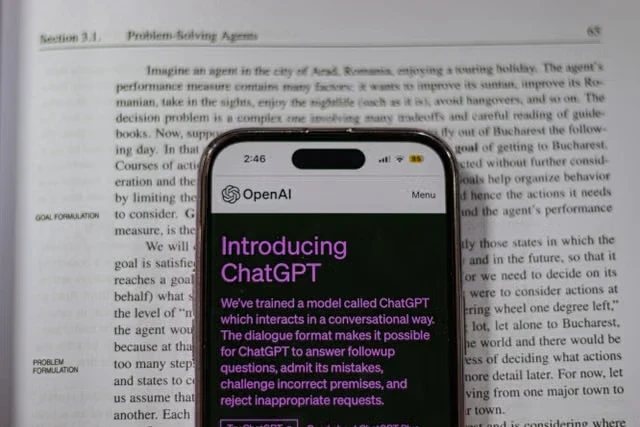
Artificial intelligence has stormed into language education with remarkable speed, promising personalized tutoring, instant pronunciation feedback, and immersive conversational practice. Yet a sweeping systematic review spanning fourteen countries now delivers a sobering verdict: these tools produce only a small positive effect on English-language learning outcomes. The gap between marketing hype and measurable reality demands careful examination from educators, learners, and policymakers alike.
The research, published in a leading educational review journal, synthesizes evidence across diverse educational contexts, from primary classrooms to adult professional training. Mobile applications, AI-powered chatbots, and virtual reality environments all demonstrated measurable benefits, but none approached the transformative impact that technology vendors frequently claim. More revealing, the review identifies specific conditions where technology excels and where human interaction remains irreplaceable for genuine language acquisition.
This analysis dissects the systematic review's methodology, unpacks the nuanced findings across different technological interventions, and translates the evidence into actionable guidance. Understanding precisely where AI language tools deliver value—and where they fall short—empowers learners to combine digital efficiency with the irreplaceable elements of human feedback that drive true fluency.
On This Page
- The Systematic Review: Methodology and Global Scope
- Where AI Language Tools Demonstrate Genuine Value
- The Irreplaceable Role of Human Feedback
- Moderating Factors: Who Benefits Most from Technology
- Practical Implications for Learners and Educators
- Future Directions and Research Gaps
- Synthesizing the Evidence: A Balanced Path Forward
TL;DR A systematic review across 14 countries found AI language learning tools, mobile apps, and VR/AR environments produce only a small positive effect on English acquisition. Technology excels at vocabulary drilling, pronunciation practice, and accessible self-study, but cannot replicate the nuanced feedback, cultural context, and adaptive conversation that human instructors provide. The optimal approach integrates digital tools for practice volume with human feedback for communicative competence.
The Systematic Review: Methodology and Global Scope
Researchers conducted a comprehensive meta-analysis examining emerging technologies in English-language education across fourteen countries spanning four continents. The review screened thousands of studies, ultimately synthesizing data from randomized controlled trials, quasi-experimental designs, and longitudinal cohort studies published between 2015 and 2025.
The analytical framework categorized interventions into three primary technology clusters: AI-powered adaptive learning systems, mobile-assisted language learning applications, and immersive environments using virtual or augmented reality. Each category received independent effect-size calculations, enabling precise comparison of relative effectiveness across technological approaches.
Inclusion Criteria and Study Selection
Strict inclusion criteria ensured methodological rigor throughout the review process. Studies required valid comparison groups, standardized language proficiency measures, and sufficient statistical reporting for effect-size computation. This filtering eliminated numerous low-quality investigations that frequently populate educational technology literature.
The final analytical sample comprised 87 independent studies representing approximately 24,000 language learners. Geographic distribution included East Asian nations like China, Japan, and South Korea, European countries including Spain and Germany, Middle Eastern contexts such as the United Arab Emirates, and North American settings in the United States and Canada.
Statistical Approach and Effect Size Interpretation
Meta-analytic techniques employed random-effects models to accommodate heterogeneity across educational contexts and intervention types. Hedge's g served as the standardized mean difference metric, with confidence intervals calculated at the 95% level to assess precision of pooled estimates.
The overall pooled effect size emerged at g = 0.23, conventionally interpreted as a small but statistically significant positive effect. This finding indicates that technology-enhanced instruction outperforms traditional methods, yet the magnitude remains modest compared to effect sizes typically associated with expert human tutoring, which frequently exceed g = 0.50.
Where AI Language Tools Demonstrate Genuine Value
Despite the modest overall effect, subgroup analyses revealed specific learning domains where technology delivers substantial benefits. Vocabulary acquisition and pronunciation training emerged as clear strengths, with effect sizes approaching moderate levels. These discrete, pattern-based skills align perfectly with AI's computational capabilities.
AI-powered spaced repetition systems dramatically improve vocabulary retention compared to traditional flashcard methods. The adaptive algorithms precisely time review intervals based on individual forgetting curves, optimizing memory consolidation. Learners using these systems demonstrated significantly stronger long-term word retention across multiple assessment points.
Pronunciation and Phonetic Accuracy
Automated speech recognition technology provides immediate, objective feedback on pronunciation that human instructors cannot always deliver consistently. Learners receive real-time visual representations of their speech patterns compared against native speaker models, enabling precise self-correction.
The review found pronunciation gains were particularly pronounced among adult learners who often feel self-conscious practicing aloud in classroom settings. The private, judgment-free environment of AI pronunciation tools encourages more frequent speaking practice, directly addressing the affective barriers that impede oral proficiency development.
Accessibility and Learning Autonomy
Mobile language applications dramatically expand access to English instruction for learners in underserved regions or those with scheduling constraints. The 24/7 availability of digital tools enables consistent daily practice that traditional classroom settings cannot match, particularly for working professionals and rural students.
Self-directed learners demonstrated remarkable progress using AI-powered applications that adapt difficulty levels to individual performance. The review noted that autonomous learners with strong intrinsic motivation achieved outcomes comparable to classroom-based instruction, suggesting technology effectively substitutes for structured environments when learner agency is high.
The Irreplaceable Role of Human Feedback
The systematic review's most striking finding concerns conversational competence and pragmatic language use. AI chatbots, despite sophisticated natural language processing, consistently failed to produce significant improvements in spontaneous speaking ability. Learners interacting exclusively with AI demonstrated stilted, formulaic communication patterns when transferred to human conversation.
Human instructors provide something algorithms cannot replicate: dynamic, context-aware feedback that addresses not just linguistic accuracy but communicative effectiveness. A skilled teacher recognizes when a learner's error stems from cultural misunderstanding, cognitive overload, or affective anxiety, and adjusts feedback accordingly in real time.
Pragmatic Competence and Cultural Nuance
Language extends far beyond vocabulary and grammar into culturally embedded norms of politeness, indirectness, and discourse structure. AI systems trained on text corpora cannot grasp the subtle contextual cues that govern appropriate language use in different social situations, professional settings, or regional variations.
The review documented numerous instances where learners using AI tools produced grammatically correct but pragmatically inappropriate language. Human instructors, drawing on lived experience and cultural knowledge, provide the corrective feedback that transforms textbook knowledge into authentic communicative competence.
Motivation and Emotional Engagement
Language acquisition is fundamentally an emotional journey marked by frustration, embarrassment, and triumph. Human teachers provide the empathetic encouragement and social accountability that sustain learner motivation through inevitable plateaus and setbacks. This interpersonal dimension proved critical for long-term persistence in language study.
Learners in the reviewed studies consistently reported higher engagement and lower attrition rates in human-led instruction compared to technology-only approaches. The social nature of language learning mirrors its purpose: communication between people. Removing the human element from practice undermines the very skill being developed.
Moderating Factors: Who Benefits Most from Technology
Effect sizes varied substantially across learner populations, revealing important moderating variables that explain when technology works best. Proficiency level emerged as a critical factor, with beginners showing greater gains from AI tools than advanced learners. Novice learners benefit from structured, repetitive practice that technology delivers efficiently.
Advanced learners, conversely, require the nuanced feedback and complex communicative challenges that only human interaction provides. The review found technology's effectiveness diminishes as learners progress, creating an inverted relationship between proficiency level and technological benefit.
Age and Learning Context
Younger learners demonstrated stronger responses to gamified mobile applications and immersive VR environments than adults. The novelty and interactive elements of digital tools align with younger learners' digital-native preferences and shorter attention spans. Adult learners, however, showed more selective benefits, primarily in vocabulary and pronunciation domains.
Formal educational settings showed smaller technology effects than informal self-directed learning contexts. This counterintuitive finding suggests that when technology supplements rather than replaces classroom instruction, its marginal benefit diminishes. The most substantial gains appeared when technology filled gaps that traditional instruction could not address.
Duration and Intensity of Technology Use
Studies examining sustained technology use over six months or longer demonstrated more robust effects than short-term interventions. Language acquisition requires extensive practice over extended periods, and technology's advantage lies in enabling consistent daily engagement rather than intensive short bursts.
However, the review identified a concerning pattern: learners who relied exclusively on technology showed declining motivation after approximately three months. The absence of human interaction and social validation led to reduced engagement, suggesting technology's benefits require periodic human reinforcement to maintain learner commitment.
We Also Published
Practical Implications for Learners and Educators
The evidence supports a strategic integration model rather than either technology-only or traditional-only approaches. Learners should leverage AI tools for the high-volume, repetitive practice essential to vocabulary, pronunciation, and grammar automation, while reserving human interaction for communicative practice and nuanced feedback.
Educators should reposition themselves as facilitators of meaningful communication rather than dispensers of information that technology now delivers efficiently. The classroom's unique value lies in creating authentic communicative opportunities, providing culturally informed feedback, and fostering the interpersonal connections that sustain motivation.
Designing Optimal Blended Learning Experiences
Effective blended programs assign specific technological tools to specific learning objectives. Spaced repetition applications handle vocabulary acquisition, speech recognition tools address pronunciation, and adaptive grammar platforms provide individualized error correction. Human instructors then focus on conversation, pragmatics, and higher-order language use.
The sequencing of technology and human interaction matters considerably. Learners who practiced with AI tools before human-led sessions demonstrated greater willingness to speak and made more efficient use of instructor feedback. This preparation effect suggests technology optimally serves as a warm-up for meaningful human interaction.
Selecting Technology Based on Evidence
Not all AI language tools deliver equal value, and the review provides guidance for evidence-based selection. Tools with adaptive algorithms that adjust to individual performance consistently outperformed static content delivery systems. Speech recognition quality and feedback specificity emerged as critical differentiators among pronunciation applications.
Learners should prioritize tools that provide explanatory feedback rather than simple right-or-wrong indicators. The review found that AI systems offering metalinguistic explanations—why an answer was incorrect and how to correct it—produced significantly better learning outcomes than those providing only corrective signals.
Future Directions and Research Gaps
The systematic review identifies critical gaps in current evidence that future research must address. Longitudinal studies tracking learners over multiple years remain scarce, limiting understanding of technology's long-term impact on language proficiency. Most existing research captures only short-term gains measured immediately following intervention periods.
Research examining AI's role in advanced language skills—persuasive writing, academic discourse, and professional communication—remains notably absent. Current evidence concentrates heavily on beginner and intermediate proficiency levels, leaving unanswered questions about technology's ceiling for advanced learners.
Emerging AI Capabilities and Unanswered Questions
Large language models with sophisticated conversational abilities represent a qualitative shift from earlier chatbot technologies. Whether these advanced systems can finally bridge the conversational competence gap remains an open empirical question requiring rigorous investigation. The review's data predates widespread deployment of these newer systems.
Multimodal AI systems that process speech, text, and visual information simultaneously may address the contextual understanding limitations identified in earlier technologies. However, the review cautions against assuming newer capabilities automatically translate into better learning outcomes without controlled empirical validation.
Policy Implications for Educational Investment
Educational institutions face pressure to invest heavily in AI language learning technologies, yet the evidence suggests technology should complement rather than replace human instruction. Policymakers should resist austerity-driven decisions that substitute digital tools for qualified language teachers, as the review demonstrates technology's limited standalone effectiveness.
Investment strategies should prioritize teacher training in effective technology integration rather than technology procurement alone. The review found that teachers who understood how to strategically deploy AI tools within communicative curricula achieved substantially better outcomes than those using technology as a replacement for pedagogical engagement.
Synthesizing the Evidence: A Balanced Path Forward
The systematic review's findings converge on a clear conclusion: AI language tools are valuable supplements, not replacements, for human language instruction. The small overall effect size masks substantial domain-specific variation, with technology delivering meaningful gains in discrete skills while falling short in communicative competence.
Optimal language learning ecosystems integrate technology's computational strengths with human pedagogy's relational and contextual expertise. Learners who strategically deploy AI for practice volume and reserve human interaction for authentic communication will maximize their progress. Educators who embrace technology as an ally rather than threat will enhance their instructional effectiveness.
Practical Recommendations for Immediate Implementation
Learners should establish daily AI-driven practice routines for vocabulary, pronunciation, and grammar, then apply those skills in weekly human-led conversation sessions. This division of labor leverages each modality's comparative advantage while ensuring communicative skills receive the human feedback essential for genuine fluency development.
Educational institutions should audit their current technology investments against the evidence base, discontinuing tools that demonstrate minimal learning impact. Reallocating resources toward teacher professional development in technology integration will yield substantially greater returns than additional software procurement.
The Enduring Value of Human Connection
Language learning ultimately serves human connection, and the medium should not contradict the message. While AI tools efficiently build the component skills of language, only human interaction develops the spontaneous, adaptive, culturally appropriate communication that defines true proficiency.
The review's findings offer reassurance to language educators concerned about technological displacement. Their role is not diminished but refocused: from information transmission to the irreplaceable work of fostering communicative competence, cultural understanding, and the human relationships that make language learning meaningful and enduring.
The evidence from fourteen countries provides a definitive answer to the question of whether AI can replace human language teachers: it cannot. But the review equally demonstrates that dismissing AI tools would squander genuine pedagogical value. The path forward lies in thoughtful integration, evidence-based selection, and unwavering commitment to the human dimensions of language learning.
Technology will continue advancing, and future AI systems may narrow the gap in conversational competence. Yet the fundamental purpose of language—connecting human beings across differences—ensures that human feedback, human connection, and human teaching will remain essential to genuine language acquisition for the foreseeable future.
From our network :
- Limit Superior and Inferior
- The Diverse Types of Convergence in Mathematics
- Bitcoin Hits $100K: Crypto News Digest
- Limits: The Squeeze Theorem Explained
- Bitcoin price analysis: Market signals after a muted weekend
- How to design postgres partitions with native and hash methods
- How to migrate to postgres using logical replication and cutover
- JD Vance Charlie Kirk: Tribute and Political Strategy
- How to secure postgres connections across VPC, VPN, and cloud
RESOURCES
- Thoughts on AI assisted language learning - Reddit
- Effectiveness of Artificial Intelligence (AI) in language teaching
- what are the biggest problems with using AI for language training?
- The effectiveness of artificial intelligence on English language ...
- Artificial intelligence-based language learning - PMC
- Artificial Intelligence in Language Learning: A Twenty-Year Scoping ...
- The influence of AI-driven personalized foreign language learning ...
- Language Learning Age of AI - Middlebury College
- A systematic review and meta‐analysis of AI‐enabled assessment in ...
- The current research trend of artificial intelligence in language ...
- AI in Language Learning and Teaching: Engaging Students
- Artificial intelligence in language learning: biometric feedback and ...
- Artificial Intelligence in Language Learning: A Systematic Review of ...
- AI for English speaking practice: A study of effectiveness and ...
- Technology and Language Learning: Effective Podcasting and ...