On This Page
Digital Transformation in CBSE Result Declaration 2026
The academic landscape in India has witnessed a monumental shift with the Central Board of Secondary Education adopting advanced digital infrastructures. This transition is not merely about speed but also about ensuring the highest levels of integrity.
By moving away from traditional paper-based logistics, the board has successfully mitigated many historical delays. The 2026 cycle stands as a testament to how technology can effectively manage the massive scale of Indian secondary education.
Stakeholders across the country have lauded these initiatives for bringing a sense of predictability to the result timeline. Parents and students now rely on robust digital platforms rather than speculative rumors regarding the official announcement dates.
Furthermore, the synchronization between the board and technical partners has reached a new peak of efficiency. This collaboration ensures that millions of data points are processed accurately within a remarkably short timeframe for the students.
As we analyze the 2026 results, the role of digital transformation becomes the central theme of success. It represents a broader vision for a tech-enabled education system that empowers every learner across the diverse Indian subcontinent.
The Transition to On-Screen Marking Systems
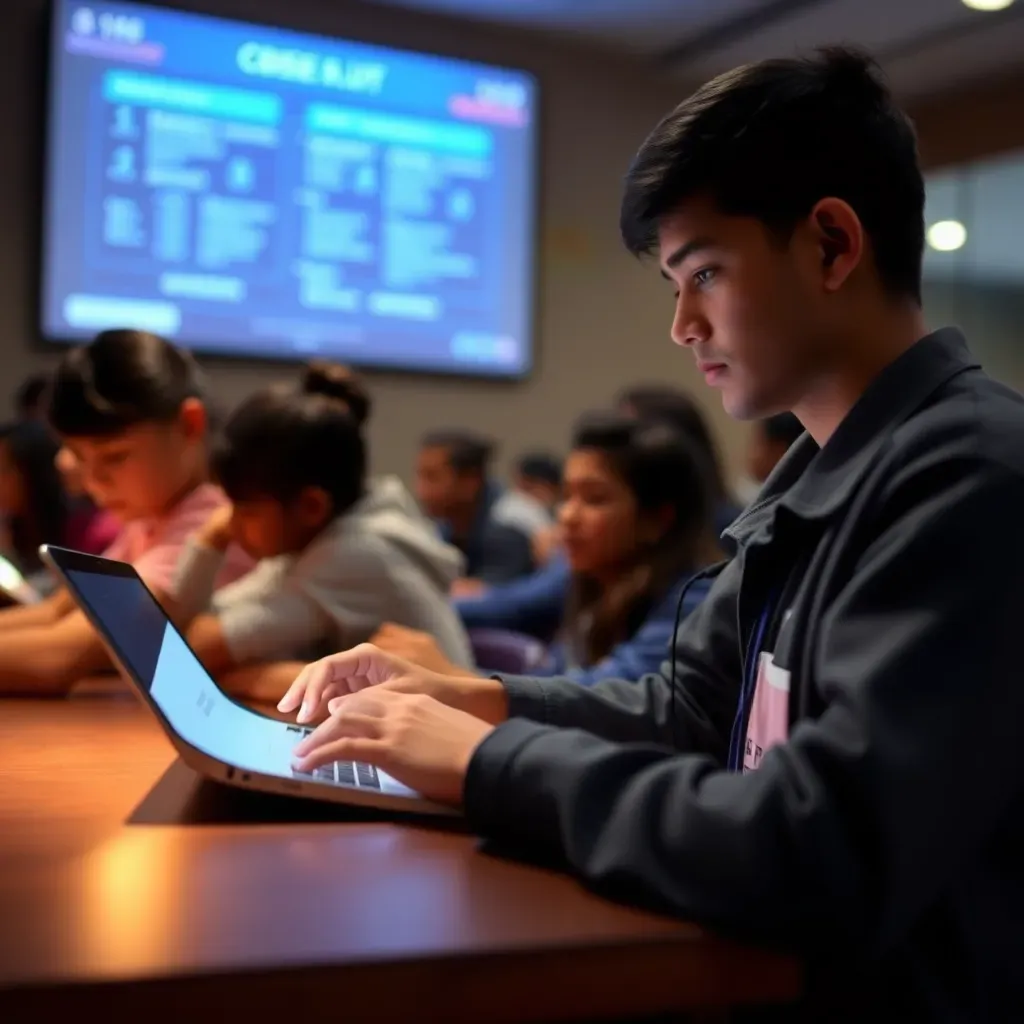
The implementation of On-Screen Marking (OSM) has revolutionized how answer scripts are evaluated by teachers. Instead of physical transport, scanned copies of scripts are distributed via secure digital channels to evaluators located across various regions.
This system allows for real-time monitoring of the evaluation progress by board officials. It ensures that every question is marked correctly and that the totals are calculated automatically, reducing the risk of manual counting errors.
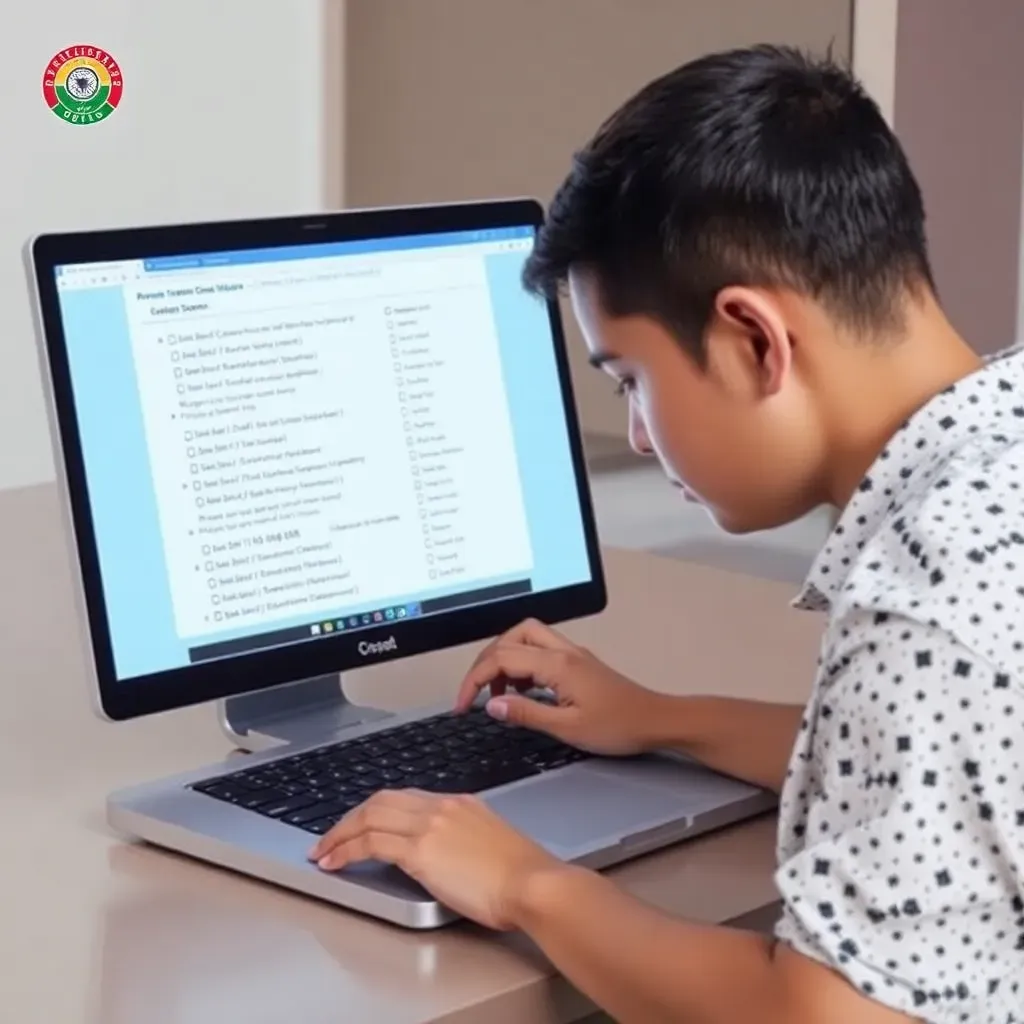
Teachers have undergone extensive training to adapt to this digital interface, which provides tools for precise grading. The feedback loop is instantaneous, allowing for immediate corrections if any discrepancies are detected during the marking process.
The efficiency of OSM is a primary reason why the 2026 results are being declared ahead of traditional schedules. It facilitates a faster turnaround time, which is crucial for students preparing for their upcoming competitive examinations.
Ultimately, OSM enhances the transparency of the marking process, giving students greater confidence in their final scores. It marks the end of an era of physical paper bundles and the beginning of digital precision.
Cloud Computing and Result Security Measures
Security is paramount when handling the academic records of millions, and CBSE has leveraged cloud computing to achieve this. Advanced encryption ensures that student data remains protected from unauthorized access throughout the evaluation and publication.
The use of secure cloud servers allows for high availability and scalability during the peak traffic of result day. This ensures that the infrastructure does not collapse under the weight of millions of simultaneous queries.
Data integrity is maintained through multi-layered verification protocols that cross-reference student identities with their respective scores. This prevents any form of data tampering and ensures that the results published are authentic and verified.
Furthermore, the board has implemented disaster recovery plans to safeguard against any technical failures. These measures guarantee that the digital assets of the board are resilient against both cyber threats and physical hardware malfunctions.
The 2026 result cycle demonstrates a sophisticated maturity in educational data management. By prioritizing security, the board has fostered a culture of trust and reliability among the student community and educational institutions alike.
Expediting Evaluation for Early Admissions
The primary driver for expediting the evaluation process is the increasingly competitive nature of university admissions. Early result declaration allows students to participate in counseling sessions for both domestic and international universities without any stress.
The board recognizes that delays in results can have a cascading effect on the entire higher education calendar. By streamlining the evaluation, CBSE ensures that the academic year remains on track for all graduating students.
This proactive approach helps in the synchronization with the Common University Entrance Test (CUET) timelines. Students can now use their actual scores for final seat allocations rather than relying on predicted marks or provisional admissions.
The acceleration of the process is achieved without compromising the quality of the assessment. Rigorous quality checks are embedded within the digital workflow to maintain the high standards associated with the Central Board's certifications.
As a result, the 2026 batch benefits from a smoother transition into their chosen career paths. The board's commitment to efficiency directly supports the aspirations of millions of young Indians seeking professional growth.
Reducing Human Error through Automation
Automation plays a critical role in minimizing human error during the complex process of result tabulation. By using automated software to aggregate marks, the board has eliminated the common mistakes found in manual data entry.

The calculation of the final percentage, including the best-of-five subjects, is now handled by precise algorithms. This ensures that every student receives a fair and accurate representation of their performance across all their academic subjects.
Statistical models are also used to identify any anomalies in marking patterns across different centers. This allows the board to maintain a standardized level of difficulty and fairness across the various sets of question papers.
Consider the pass percentage calculation formula used by the board to maintain statistical records:
where ##S_p## represents students who passed and ##S_t## represents the total number of students appeared.
This mathematical precision ensures that the national statistics are reliable and can be used for future policy planning. Automation thus serves as the backbone of a modern, error-free, and highly efficient examination board.
Navigating the 2026 Result Portals and Platforms
Accessing results has become a multi-channel experience, moving far beyond the traditional school notice boards. The 2026 declaration utilizes a robust ecosystem of websites and mobile applications to provide instant access to every student.
The board has optimized its primary web portal to handle unprecedented levels of traffic. By using Content Delivery Networks (CDNs), the result pages load quickly even in areas with limited internet bandwidth or connectivity.
In addition to the official website, several government-backed platforms serve as reliable mirrors for result checking. This decentralized approach prevents a single point of failure and ensures that every student can view their marks.
Clear instructions are provided on how to navigate these portals using credentials such as roll numbers and school codes. This user-centric design makes the process of result retrieval straightforward and stress-free for students and parents.
The 2026 result navigation experience is a reflection of the Digital India initiative in action. It prioritizes accessibility and ease of use, ensuring that technology serves the needs of the common citizen effectively.

Utilizing DigiLocker for Instant Document Access
DigiLocker has emerged as the most critical tool for students to access their original marksheets instantly. By linking their Aadhaar to the platform, students can download legally valid digital copies of their certificates and migration letters.
These digital documents carry the same legal weight as physical copies under the Information Technology Act. This allows students to submit their credentials for college admissions immediately after the results are declared by the board.
The 2026 cycle has seen an even deeper integration, where schools facilitate the creation of DigiLocker accounts for all students. This proactive measure ensures that no student is left behind in the transition to digital credentials.
Using DigiLocker also reduces the environmental impact by minimizing the need for physical paper printing and postage. It is a sustainable solution that aligns with global trends toward paperless governance and digital identity management.
Students are advised to verify their account details well in advance of the result date. This ensures a seamless experience when the servers go live with the 2026 Class 12 academic performance data.
The Role of UMANG in Mobile-First Governance
The UMANG app provides a comprehensive mobile interface for accessing a wide range of government services, including CBSE results. For many students in rural India, the smartphone is the primary gateway to the internet and results.
UMANG is designed to be lightweight and efficient, making it ideal for devices with varying hardware specifications. It offers a secure environment where students can fetch their results by entering their basic examination details easily.
We Also Published
The app also provides notifications and alerts, keeping students informed about the latest updates from the board. This real-time communication channel is invaluable during the high-pressure hours leading up to the official result announcement.
By leveraging UMANG, the government ensures that essential services are accessible to every citizen, regardless of their location. It bridges the digital divide and promotes inclusivity in the delivery of educational services across India.
The success of UMANG in the 2026 result cycle highlights the importance of mobile-first strategies in public governance. It empowers students with the information they need, right at their fingertips, at any time.
Troubleshooting High-Traffic Web Server Issues
Despite the best preparations, the sheer volume of traffic on result day can sometimes lead to temporary server slowdowns. Students are encouraged to remain calm and utilize the various alternative platforms available if the main site lags.
Refreshing the page multiple times can often exacerbate the problem by increasing the load on the server. Instead, waiting for a few minutes or switching to a different network can often resolve the connectivity issues quickly.
The board often provides multiple server links (Server 1, Server 2, etc.) to distribute the traffic more evenly. Choosing a less congested link can lead to a faster response time when checking the 2026 results.
Clearing the browser cache or using an incognito window can also help in resolving display errors caused by old data. These simple troubleshooting steps can save students a lot of frustration during the result checking process.
Most importantly, students should remember that their results are secure and will be available once the traffic stabilizes. Patience is key during the initial minutes following the official declaration of the board exam scores.
Verifying Digital Credentials for University Admissions
Verification of digital credentials has become a standard procedure for universities across India and abroad. The digital marksheets provided by CBSE include QR codes that can be scanned to verify the authenticity of the document.
This system eliminates the need for manual verification of physical copies, which was often a time-consuming process for admissions offices. It speeds up the enrollment process and reduces the risk of fraudulent certificate submissions significantly.
Universities can directly pull verified data from the National Academic Depository (NAD) via DigiLocker. This seamless data exchange ensures that the admission process is based on accurate and verified academic records of the students.
For students, this means that their transition from school to college is much more efficient and less bureaucratic. They can focus on their studies rather than worrying about the logistics of document verification and submission.
The 2026 result cycle marks a significant step toward a fully integrated and digital academic ecosystem. It sets a benchmark for other boards to follow in the quest for modernized educational administration and student services.
Impact on Higher Education and Admission Cycles
The timing of the CBSE 12th results has a profound impact on the entire higher education ecosystem in India. By aligning the declaration with university admission cycles, the board facilitates a smoother transition for all students.
This synchronization is particularly important for professional courses where the admission windows are often very narrow. Early results give students more time to make informed decisions about their future academic and career paths.
Educational institutions can also plan their academic calendars more effectively when they have a clear timeline for the board results. This leads to a more organized and predictable start to the new university session.
The 2026 results are expected to influence the cut-off trends in various prestigious colleges across the country. Analyzing these trends helps educators and policymakers understand the evolving academic standards and student performance levels.
Overall, the strategic timing of the result declaration is a key factor in the success of the Indian education system. it ensures that the momentum of learning is maintained as students move to higher levels.
Synergy Between CBSE and CUET Timelines
The Common University Entrance Test (CUET) has become the primary gateway for admissions into central universities. The synergy between CBSE results and CUET timelines is essential for a fair and efficient admission process for everyone.
By declaring results in mid-May, CBSE allows students to focus entirely on their CUET preparations and examinations. This reduces the academic burden and stress on students who are juggling multiple entrance tests and board exams.
The availability of actual board marks also helps universities in the final merit list preparation. It ensures that the weightage given to board performance is accurately reflected in the final admission decisions made by the institutions.
This coordination is a result of high-level planning between the Ministry of Education, the NTA, and the CBSE. It represents a unified approach to managing the massive scale of student transitions in the country.
Students benefit from this synergy through a more streamlined and transparent admission experience. It allows them to pursue their academic goals with greater clarity and confidence in the overall system's fairness.
Regional Performance Trends Across Indian States
Analyzing the regional performance trends provides valuable insights into the quality of education across different parts of India. Traditionally, regions like Trivandrum and Bengaluru have shown exceptionally high pass percentages in the board exams.
In 2026, there is a noticeable improvement in the performance of students from rural and semi-urban areas. This can be attributed to the increased penetration of digital learning resources and improved educational infrastructure in these regions.
The board's efforts to provide equitable access to quality education are reflected in these narrowing performance gaps. It highlights the success of various government schemes aimed at improving the standards of schooling in underserved areas.
State-wise analysis also helps in identifying areas that require further intervention and support from the educational authorities. It allows for a more targeted approach to policy-making and resource allocation for the upcoming academic sessions.
The 2026 results showcase a more balanced and inclusive academic performance across the nation. It is a testament to the hard work of students, teachers, and administrators in every corner of the country.
The Rise of Humanities and Interdisciplinary Streams
One of the most interesting trends in the 2026 results is the surge in performance within the Humanities stream. More top-performing students are now choosing subjects like Psychology, Sociology, and Political Science over traditional choices.
This shift reflects a changing mindset in Indian society, where non-science streams are gaining academic rigour and professional prestige. It opens up a wider range of career opportunities for students in diverse fields.
Interdisciplinary approaches are also becoming more common, with students opting for unique combinations of subjects across different streams. This flexibility allows learners to tailor their education to their specific interests and career aspirations effectively.
The board's focus on competency-based education has further encouraged this trend by emphasizing critical thinking over rote learning. It prepares students for the complexities of the modern workforce, where diverse skills are highly valued.
The 2026 results highlight the evolving nature of Indian education, which is becoming more holistic and student-centric. It celebrates the diverse talents and interests of the youth, paving the way for a vibrant future.
Psychological Support and Post-Result Counseling
The period following the result declaration can be highly stressful for many students and their families. Recognizing this, CBSE has established comprehensive psychological support systems, including tele-counseling services and online resources for all students.
Trained counselors are available to help students deal with result-related anxiety and provide guidance on their future options. This support is crucial for maintaining the mental well-being of the student community during this time.
Schools are also encouraged to organize counseling sessions to help students interpret their results and plan their next steps. This collaborative effort ensures that every student feels supported and empowered, regardless of their scores.
It is important for parents to create a supportive environment at home and focus on the effort rather than just the marks. A positive approach can go a long way in helping students navigate this transition.
The 2026 result cycle emphasizes that academic success is just one part of a student's journey. By providing psychological support, the board demonstrates a commitment to the overall development and happiness of every learner.
From our network :
- Limits: The Squeeze Theorem Explained
- The Diverse Types of Convergence in Mathematics
- How to migrate to postgres using logical replication and cutover
- Limit Superior and Inferior
- How to secure postgres connections across VPC, VPN, and cloud
- Bitcoin price analysis: Market signals after a muted weekend
- Bitcoin Hits $100K: Crypto News Digest
- How to design postgres partitions with native and hash methods
- JD Vance Charlie Kirk: Tribute and Political Strategy
RESOURCES
- CBSE Exam Results | India
- CBSE Exam Results 2026
- CBSE Board Results 2026: When Will CBSE Class 12 Result Be ...
- [CBSE Class 12 Result 2026] Any Genuine Updates After ... - Reddit
- CBSE 12th Result 2026 Highlights: CBSE to declare Class 12 ...
- Evisceration of CBSE RESULT 2026 class 12th - Reddit
- CBSE 12th Result 2026 Highlights: Paper evaluation in review after ...
- Cbse class 12 result 2026 : r/CBSECommerce - Reddit
- CBSE Class 12 Results 2026 Date, Time: Evaluation process in final ...
- CBSE 12th Results 2026: Complete Timeline, Checking Process ...