Learn to explore Mauritius, a stunning island nation in the Indian Ocean, approximately 900 kilometers from Africa. This beautiful country, known for its pristine beaches, lush landscapes, and diverse culture, offers a unique travel experience. You’ll learn to appreciate the historical significance, cultural diversity, and natural wonders that make Mauritius a captivating destination. This article will guide you through the key aspects that define Mauritius.
On This Page
We Also Published
The Symbolic Heart of Mauritius: Its Flag
The Mauritian flag, officially adopted on March 12, 1968, is a symbol of the nation's identity and aspirations. The flag's design, a rectangular composition with a 2:3 aspect ratio, is rich in symbolism, representing key aspects of Mauritius's heritage and future. The flag's colors, each carrying a specific meaning, tell a story of struggle, hope, and prosperity.
Decoding the Colors: A Patriotic Palette
The yellow stripe symbolizes the sunshine and prosperity that followed independence, reflecting the optimism and economic growth of the nation. The green stripe represents the lush agricultural landscape of Mauritius, acknowledging the importance of agriculture to the island's economy and culture.
The Fabric of Society: A Multicultural Tapestry
Mauritius is renowned for its multicultural society, a melting pot of ethnicities and traditions. The population, a blend of Indian, African, Chinese, and European descent, lives in harmony, contributing to the island's unique cultural identity. This diversity is a cornerstone of Mauritian society, reflecting a history of migration and integration. You will find that Mauritius's cultural richness is one of its most appealing aspects.
Embracing Education: A Foundation for Growth
Education is a priority in Mauritius, with a system designed to ensure that all children have access to learning. The government's commitment to education is evident in its policies and infrastructure, aiming to create a well-educated populace. This emphasis on education is vital for the nation's continued development and progress.
Education for All: A Path to Knowledge
Education is compulsory for all children aged 5 to 16 years. This mandate ensures that every child receives the fundamental knowledge and skills needed for personal and professional growth. This compulsory education forms the bedrock of a literate and skilled workforce.
Nature's Palette: The Seven-Colored Earth of Chamarel
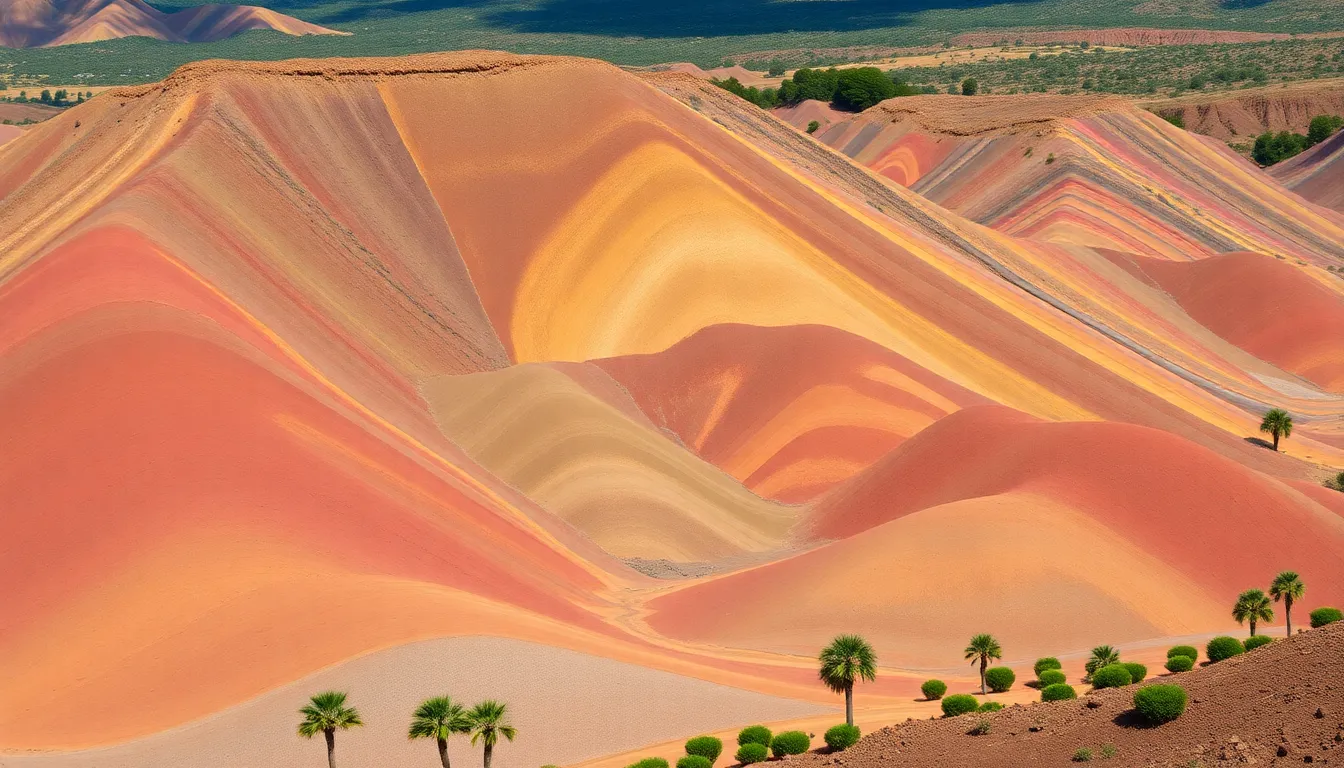
Chamarel, a village in Mauritius, is home to the Seven-Colored Earth, a unique geological formation that is a major tourist attraction. This natural wonder is a testament to the island's diverse landscapes and the forces that have shaped its environment. The Seven-Colored Earth provides an unforgettable experience for visitors.
A Geological Marvel: The Colors of the Earth
The Seven-Colored Earth is a result of the weathering of volcanic ash, which has transformed into different colors due to the presence of varying mineral compositions. The interplay of these minerals creates a mesmerizing display of hues, ranging from red to violet. This area is a testament to the natural beauty of Mauritius.
The Enduring Allure of Mauritius
Mauritius is more than just a destination; it's an experience that leaves a lasting impression. From its flag's symbolic colors to its educational system and the breathtaking Seven-Colored Earth, Mauritius offers a blend of natural beauty, cultural richness, and societal progress. The nation's commitment to education and the preservation of its natural wonders showcases its dedication to building a prosperous and sustainable future. You will surely want to learn to appreciate the beauty of this unique island nation.
| Feature | Description | Significance |
|---|---|---|
| Flag | Rectangular with red, blue, yellow, and green stripes | Represents independence, the ocean, prosperity, and agriculture. |
| Language | English and French are widely used | Reflects the multicultural society and historical influences. |
| Population | Diverse, with Indian, African, Chinese, and European descent | Highlights the multiculturalism that defines Mauritius. |
| Education | Compulsory from ages 5 to 16, with free primary and secondary education | Demonstrates the country's commitment to education and development. |
| Seven-Colored Earth | Unique geological formation in Chamarel | Attracts tourists and showcases the island's natural beauty. |
RESOURCES
- Hii from beautiful Mauritius ☀️ I would really appreciate any advice ...
- Getting ready for a 23-hour journey to Mauritius—a beautiful island ...
- Who are professional hair stylists and makeup artists in Mauritius for ...
- Beautiful Mauritius - Review of Constance Belle Mare Plage, Belle ...
- I don't have much time left with my parents. This 1 week a year we ...
- Beautiful hotel - Review of The Westin Turtle Bay Resort & Spa ...
- Goya Windsurfing - Mauritius beauty... Tom Hartmann knows how to ...
- Beautiful Tropical Paradise - Review of The Residence Mauritius ...
- 12/10/00 Albright remarks with Prime Minister Anerood Jugnauth
- Beautiful Stay - Review of Zilwa Attitude, Calodyne, Mauritius ...
- Absolutely beautiful resort and the friendliest staff - Review of Sugar ...
- Beautiful Resort - Amazing Honeymoon!!!! - Review of Sugar Beach ...
- Beautiful Beach - Review of Ambre Mauritius, Palmar, Mauritius ...
- The most beautiful honeymoon experience - Review of The Oberoi ...
- Beautiful place, but… - Review of Lux* Le Morne, Le Morne, Mauritius
From our network :
- The Diverse Types of Convergence in Mathematics
- How to secure postgres connections across VPC, VPN, and cloud
- Bitcoin Hits $100K: Crypto News Digest
- Limits: The Squeeze Theorem Explained
- Limit Superior and Inferior
- How to migrate to postgres using logical replication and cutover
- JD Vance Charlie Kirk: Tribute and Political Strategy
- Bitcoin price analysis: Market signals after a muted weekend
- How to design postgres partitions with native and hash methods